Machine Learning Predictions
of Postoperative Outcomes
in Adult Male Circumcision

Leonid Shpaner, M.S.1
Giuseppe Saitta, M.D.2
Controls
- Next: Right Arrow or Space
- Previous: Left Arrow
- Start: Home
- Finish: End
- Overview: Esc
- Speaker notes: S
- Fullscreen: F
- Zoom: Alt + Click

Background
- Male circumcision is one of the world’s most common surgical procedures, with well‐established benefits (e.g. reduced infection, inflammation) but variable outcomes in adults due to anatomical variation and comorbidities.
- Accurate preoperative risk prediction could guide individualized planning and improve patient counseling.
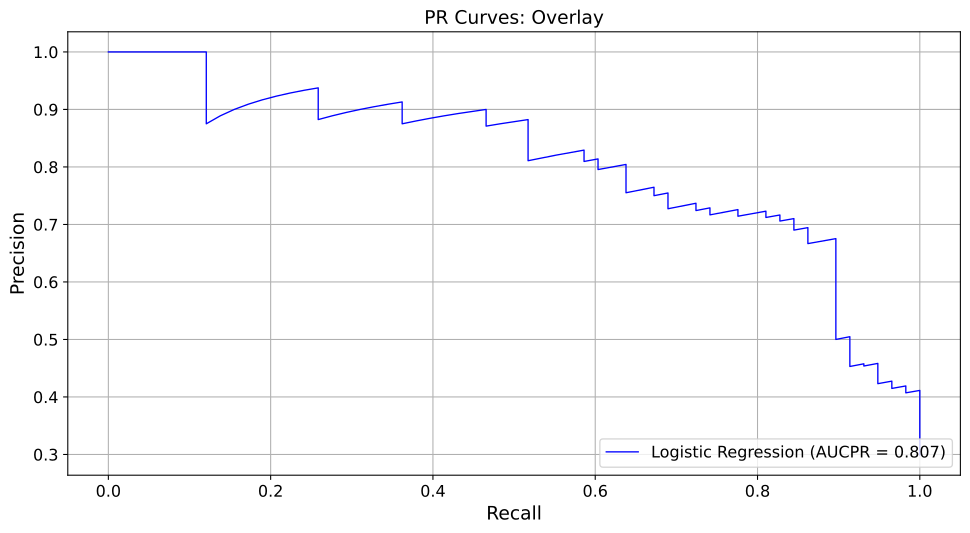
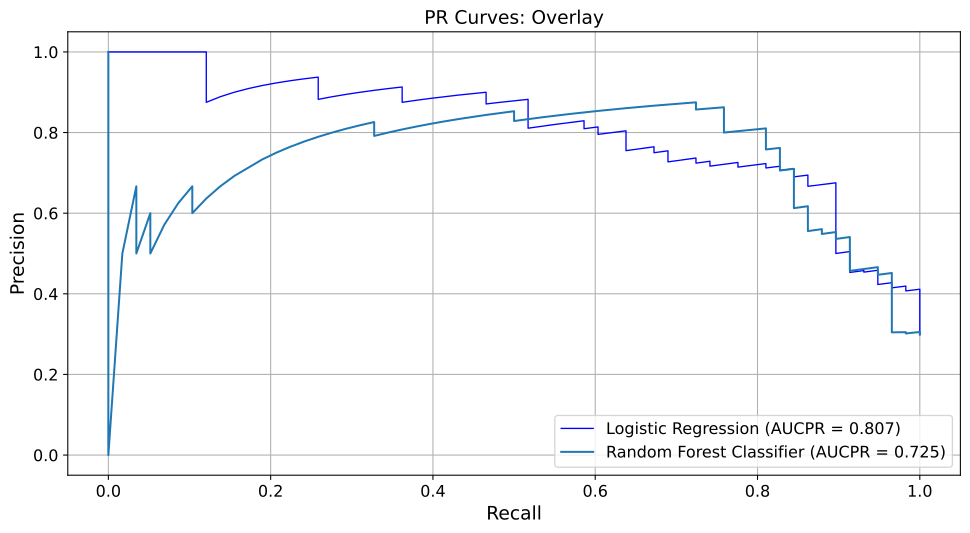
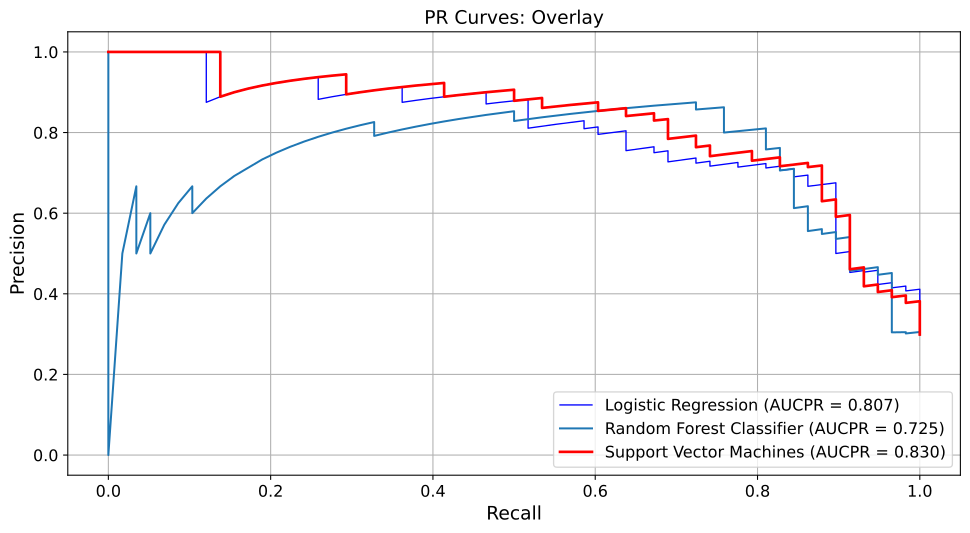
- We retrospectively analyzed 194 adult circumcisions (Milan, 2023–24) to train logistic regression, random forest, and support vector machines.
Introduction
- Adult male circumcision presents unique clinical challenges due to comorbidities and anatomical variability.
- The procedure offers public health benefits, including reduced infections and STDs.
- CO₂ laser circumcision has gained popularity for its advantages: less bleeding, faster healing, and shorter recovery.
- Prior studies (e.g., Leonardi & Saitta) support the clinical efficacy of laser techniques.
- This study uses supervised machine learning to predict short-term complications based on surgical method.
-
It introduces a data-driven approach for
individualized preoperative risk assessment.
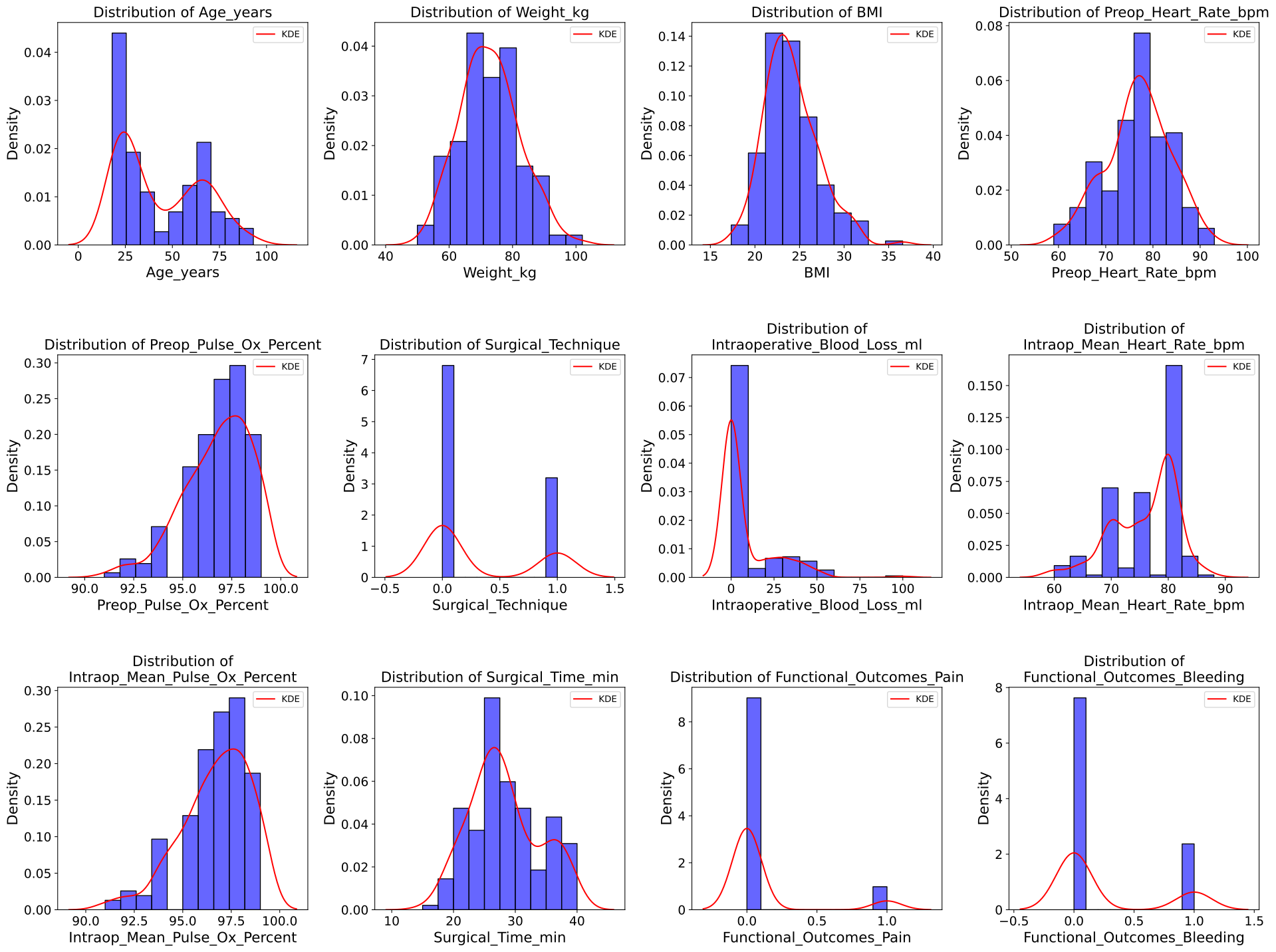
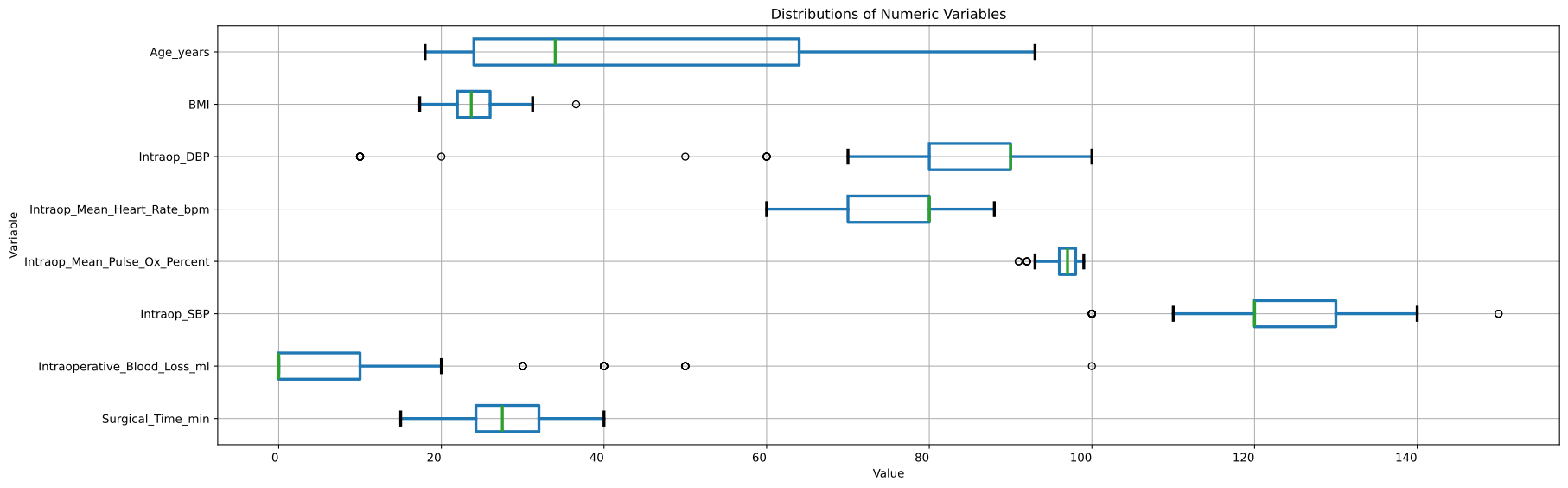
Distribution of Data For All Numeric Values
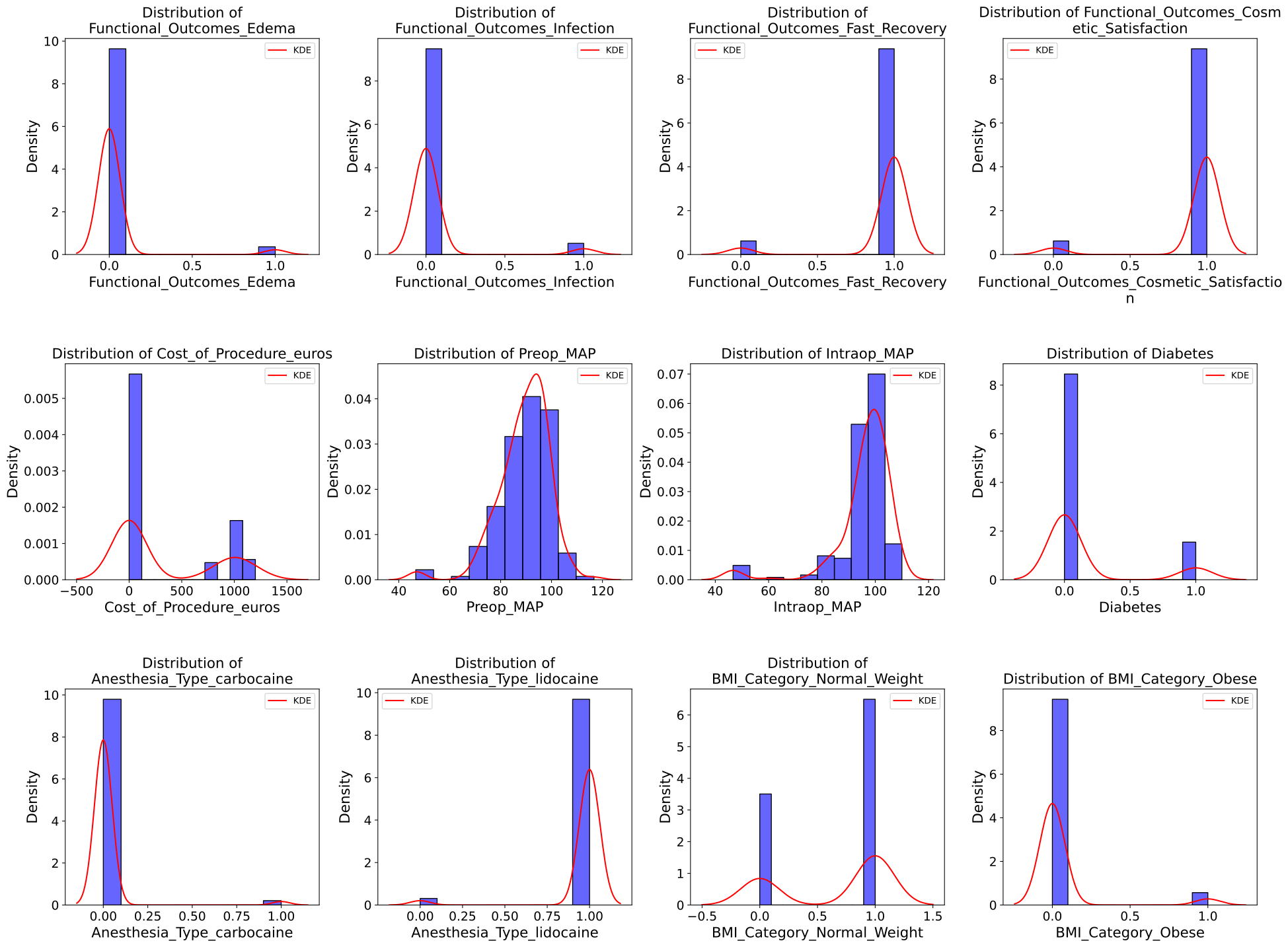
Cohort Inclusion, Preprocessing, and Modeling Flow
Feature Space
194 patients | 13 columns
- Age (years)
- BMI
- Surgical Technique
- Intraop. Blood Loss (ml)
- Intraop. Heart Rate (bpm)
- Intraop. Pulse Ox (%)
- Surgical Time (min)
- BMI (Obese)
- BMI (Overweight)
- BMI (Underweight)
- Intraop. SBP
- Intraop. DBP
- Diabetes
Dataset Preparation
- All coding done in Python 3.11.11 using the following libraries:
- Pandas, NumPy, Model_Tuner, Matplotlib, Seaborn, SHAP, and Scikit-Learn
- Performed modeling via stratified 10-fold cross-validation (i.e. StratifiedKFold with k=10), ensuring each fold preserves our outcome’s class proportions.
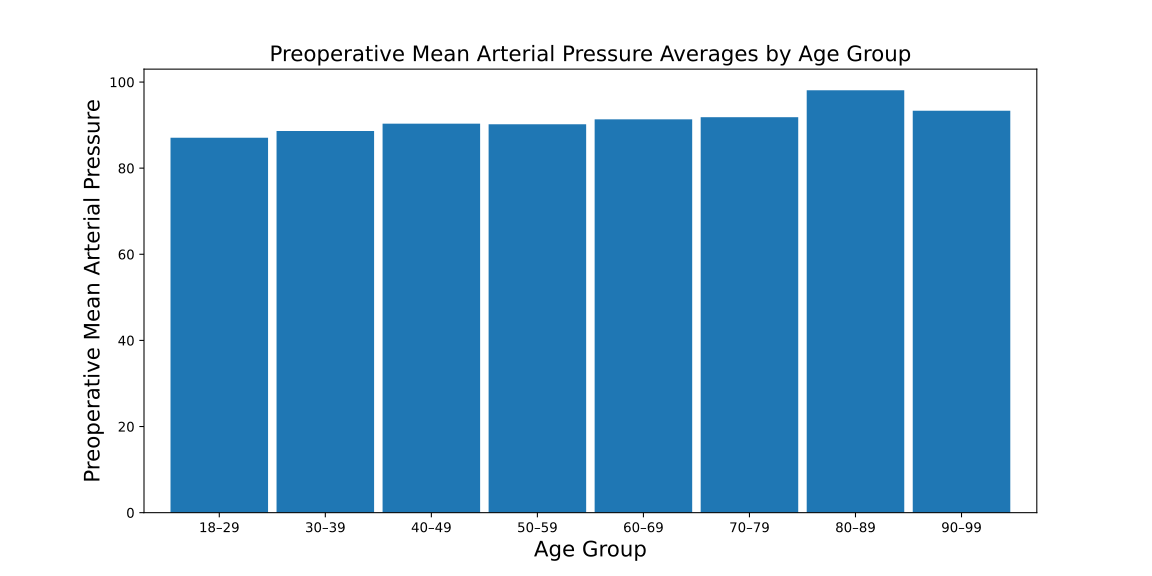
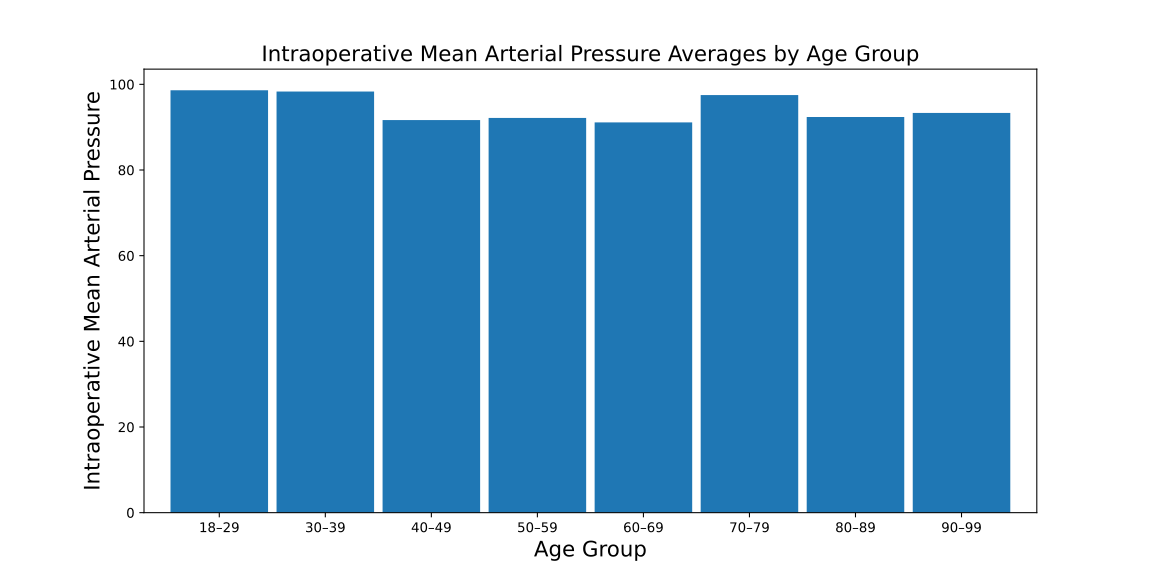
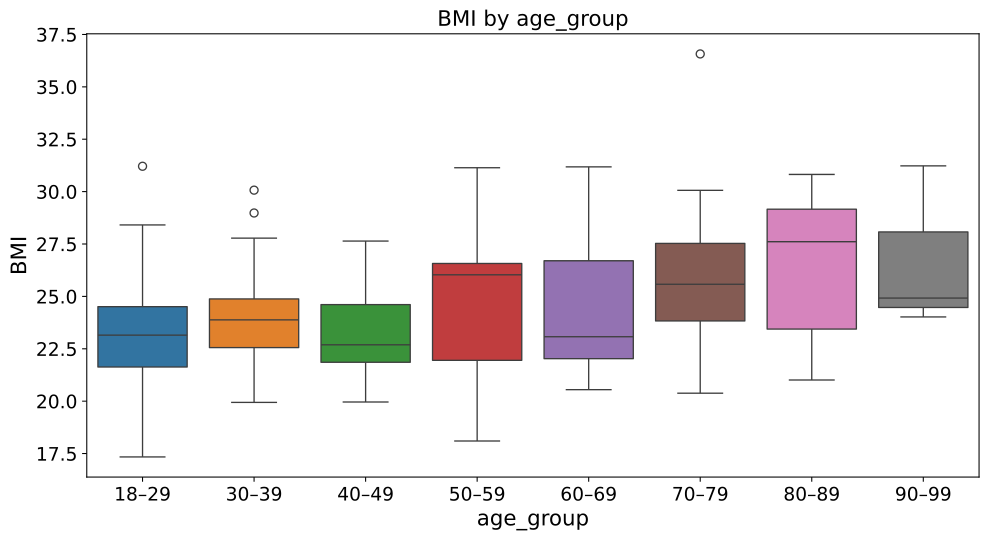
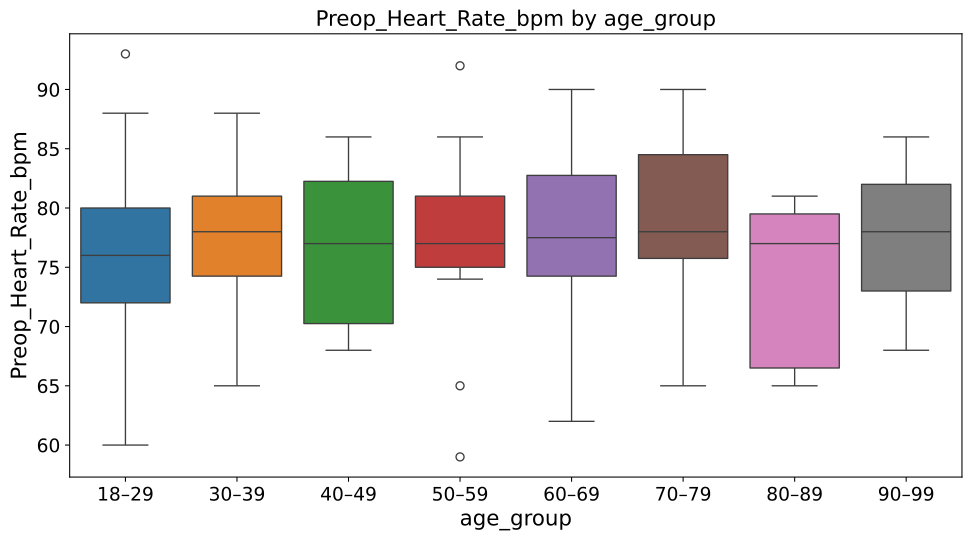
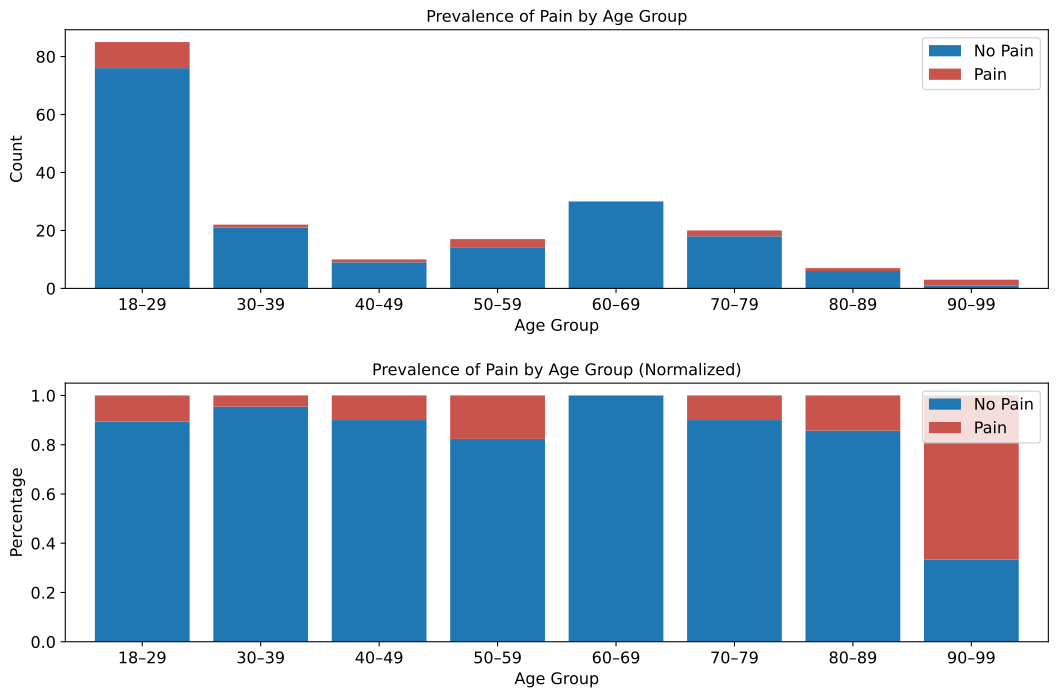
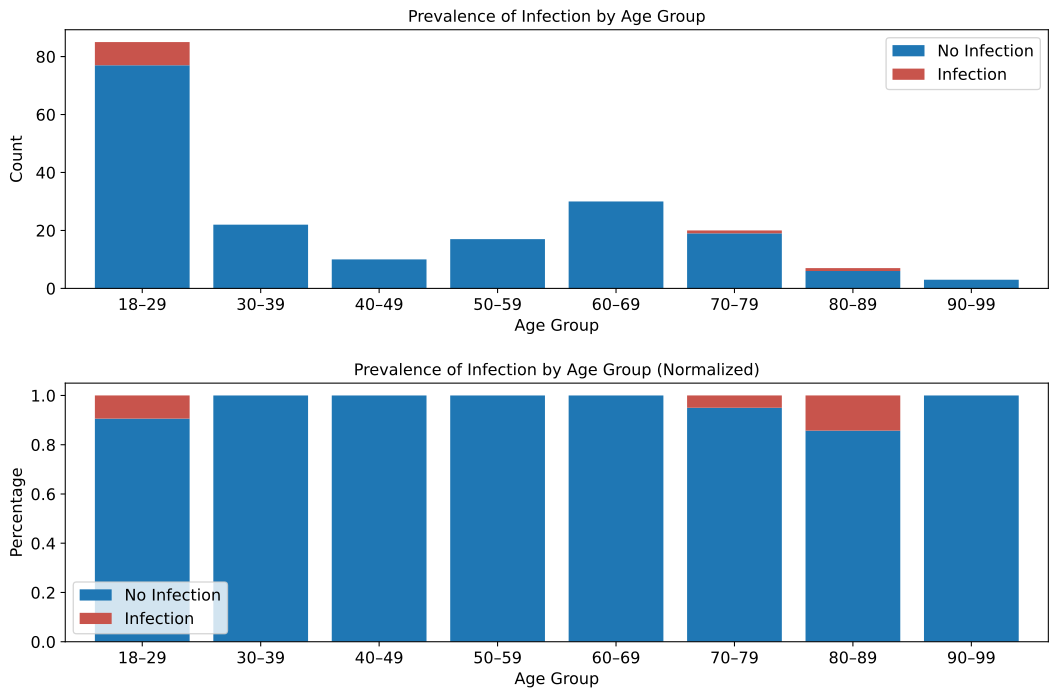
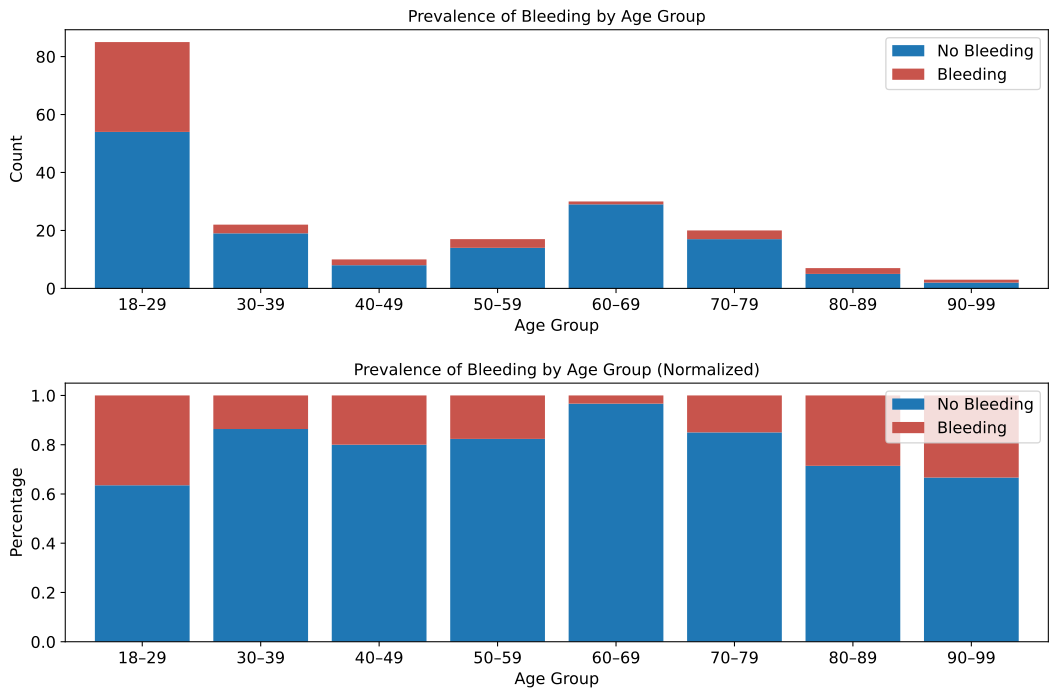
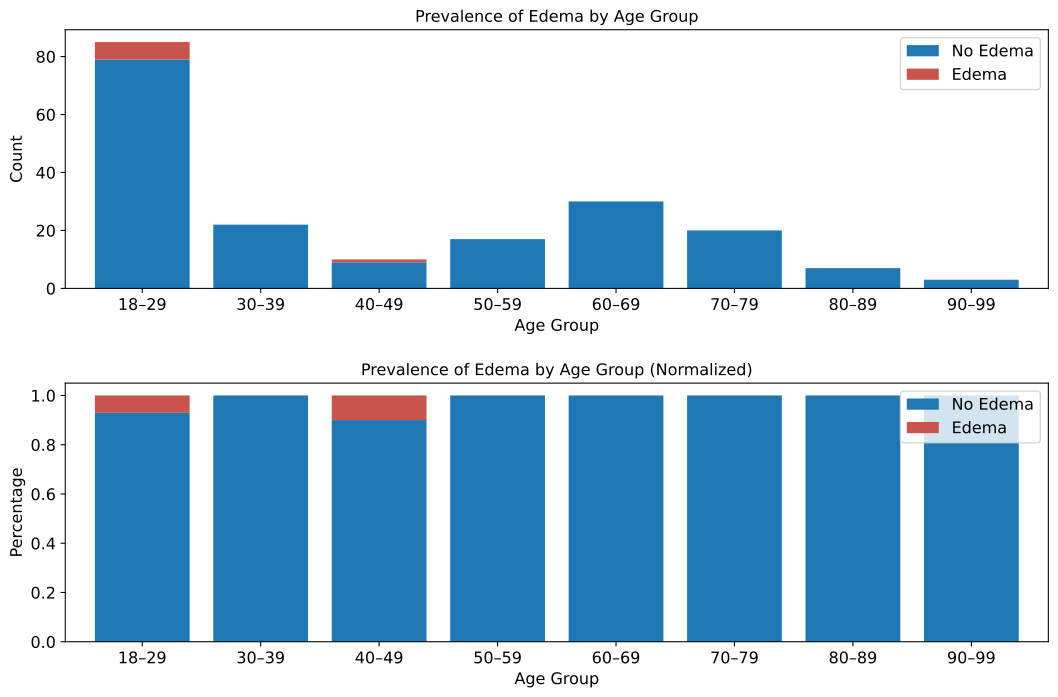
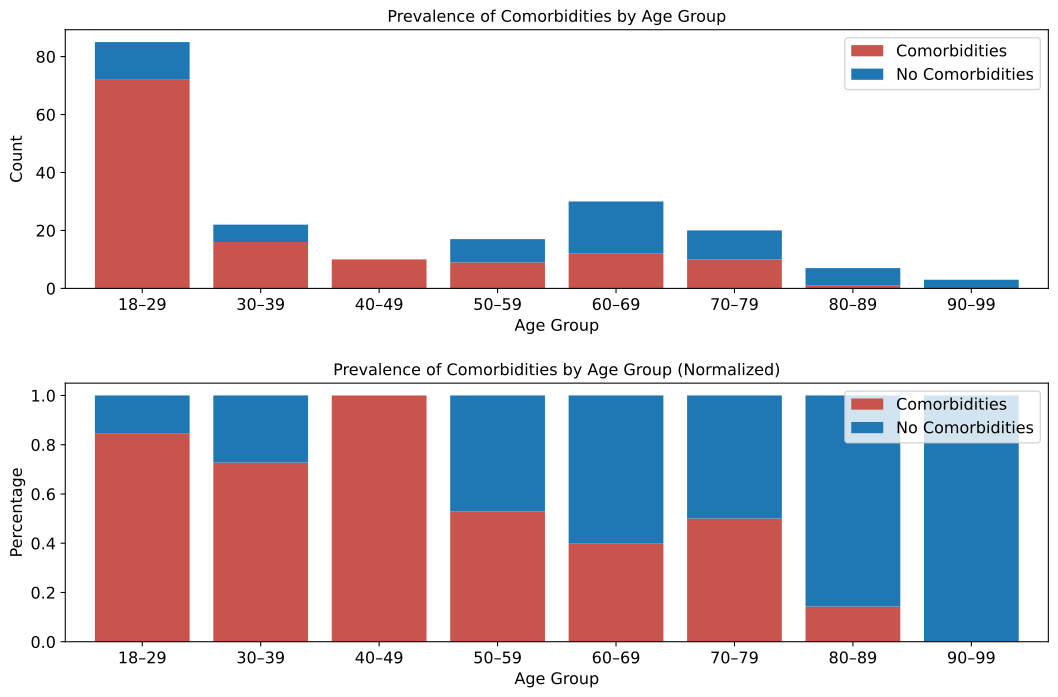
Age-Related Distributions
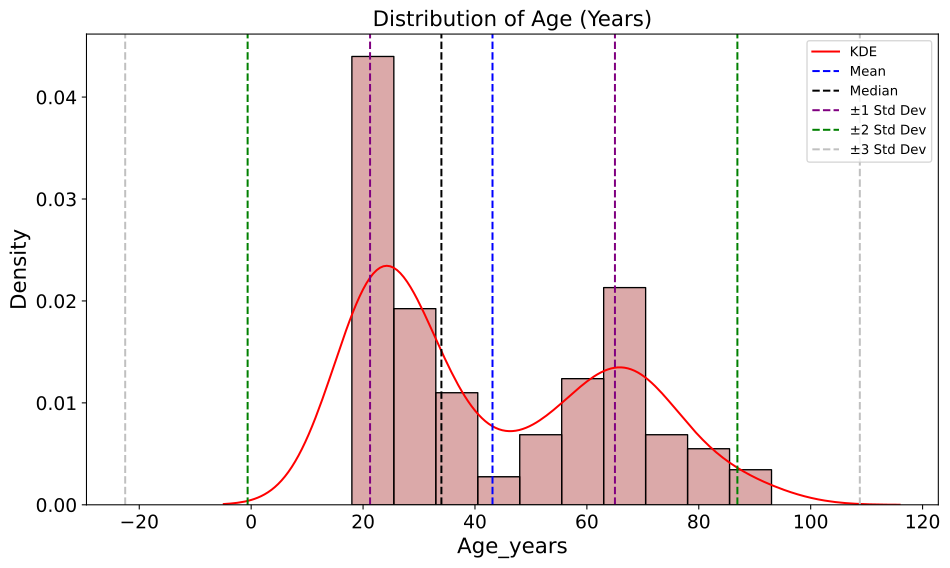
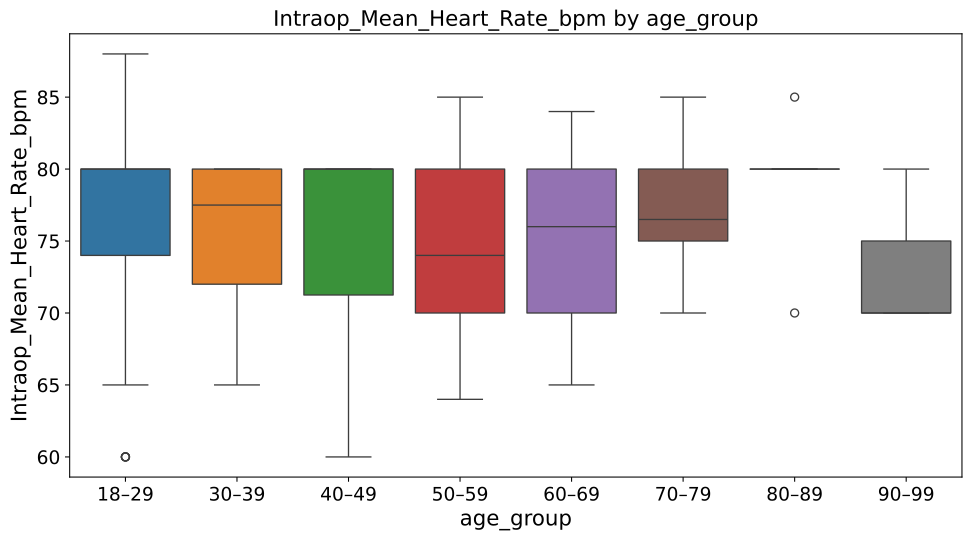
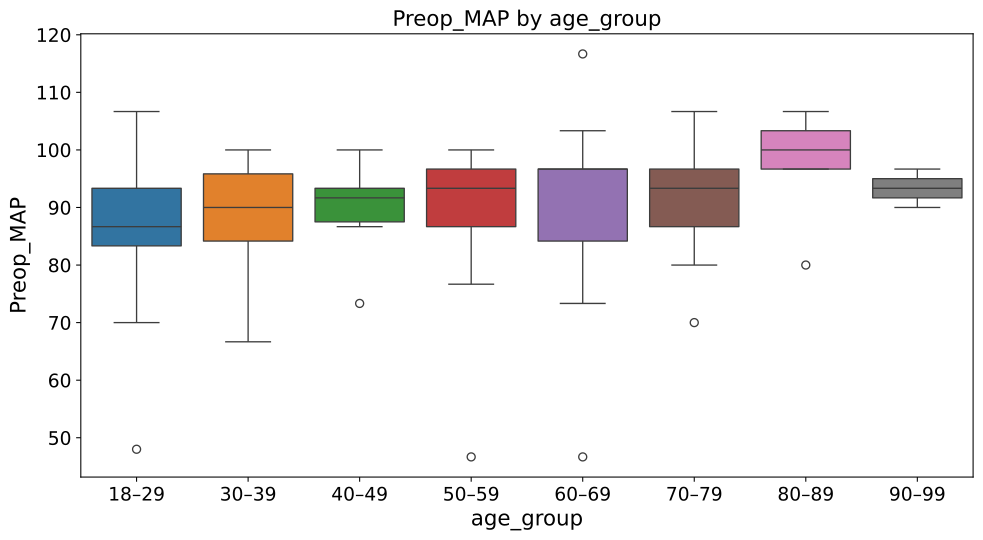
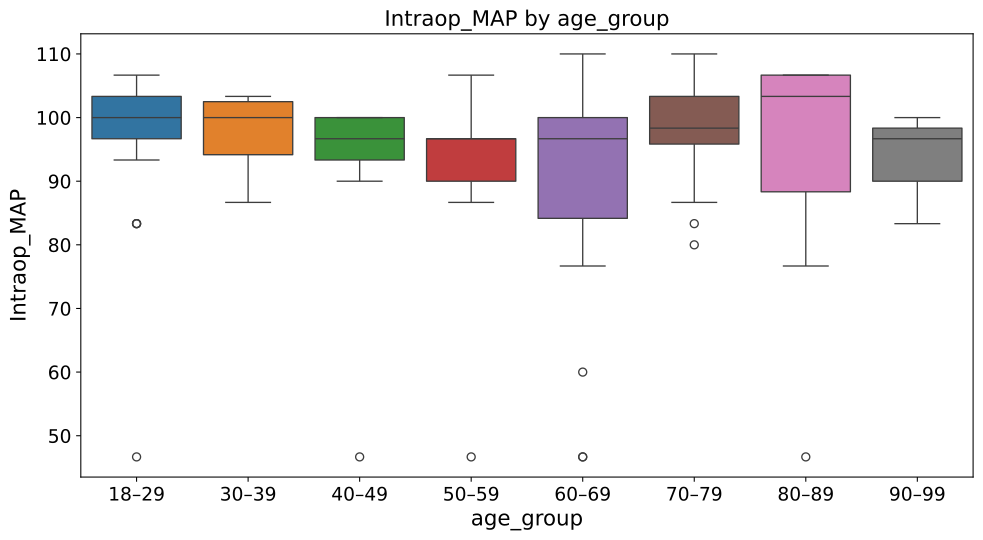
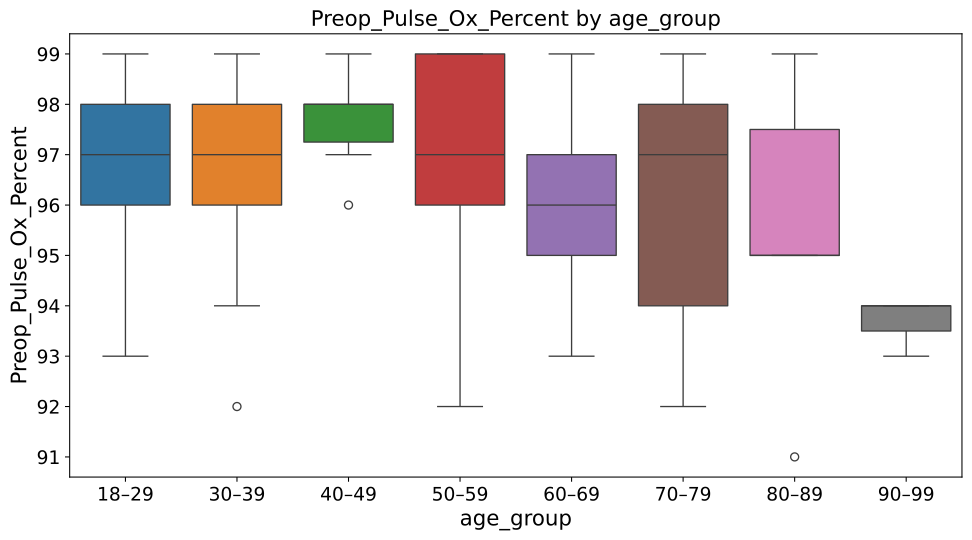
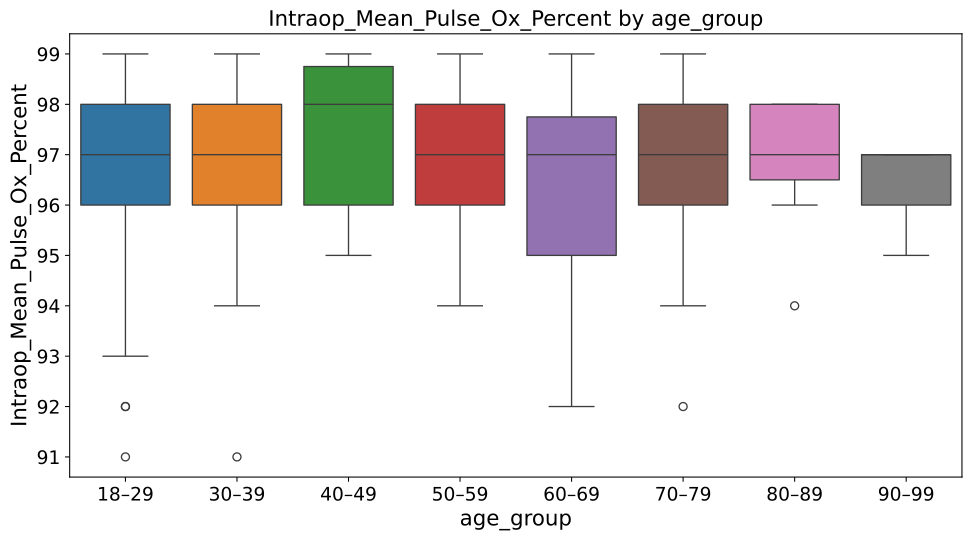
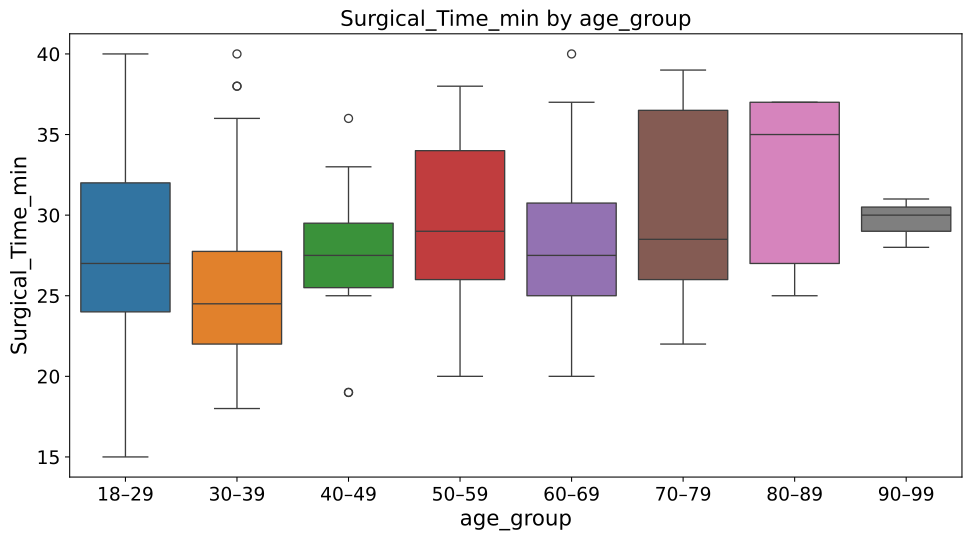
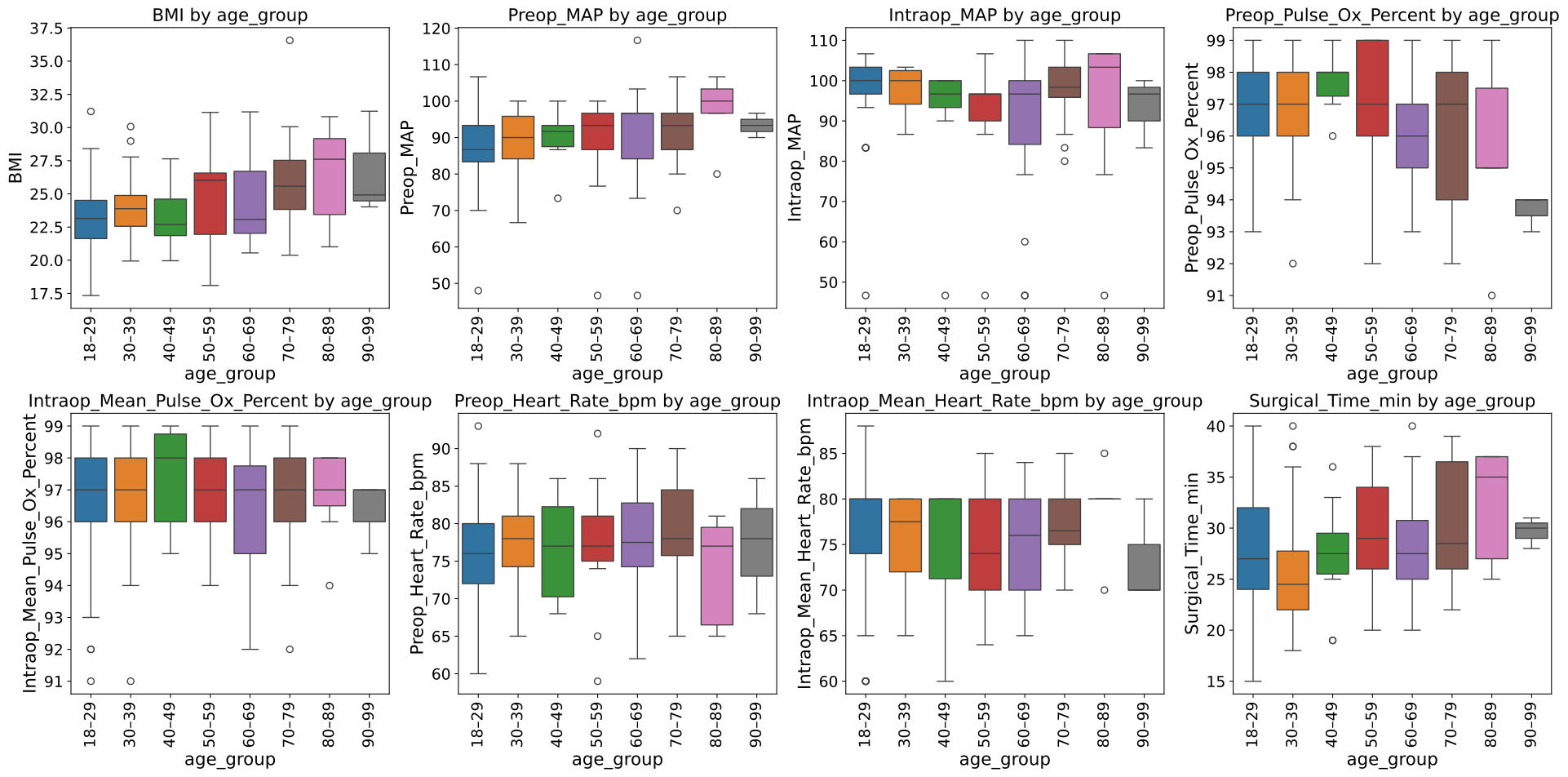
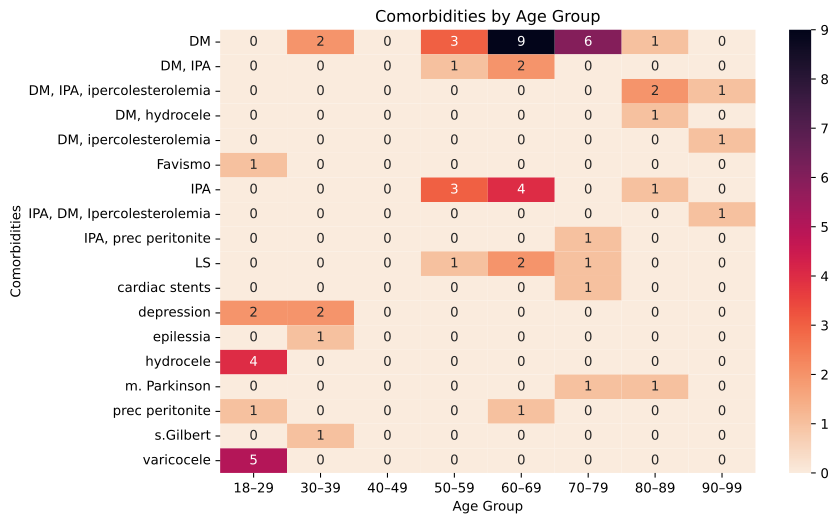
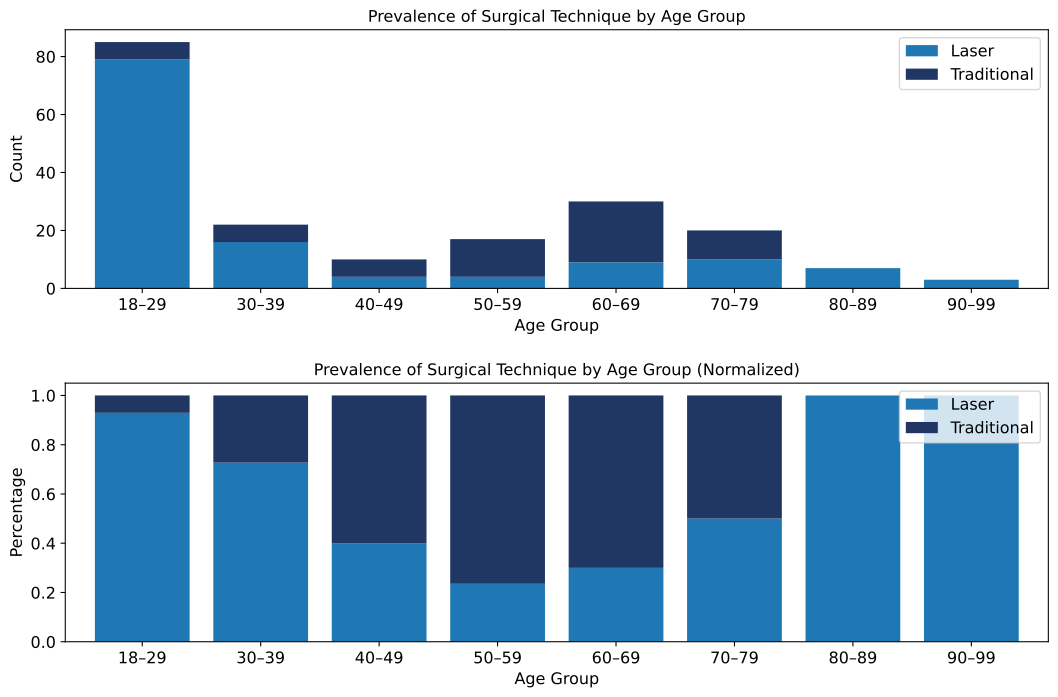
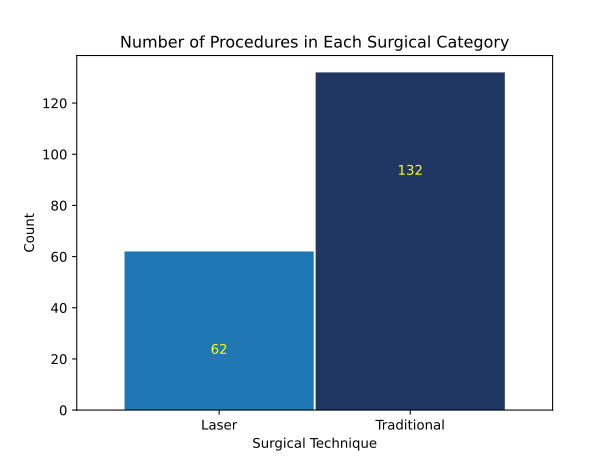
Surgical Techniques
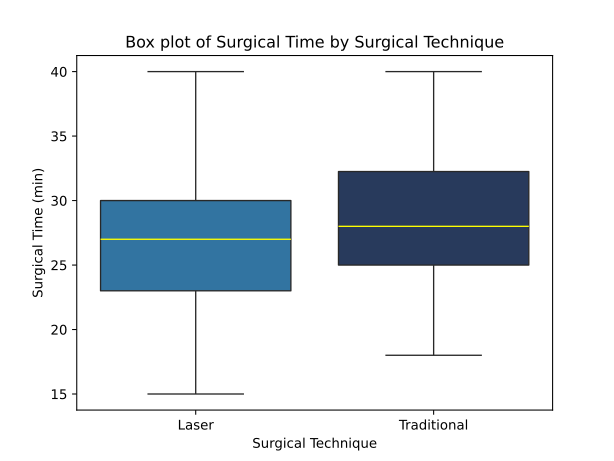
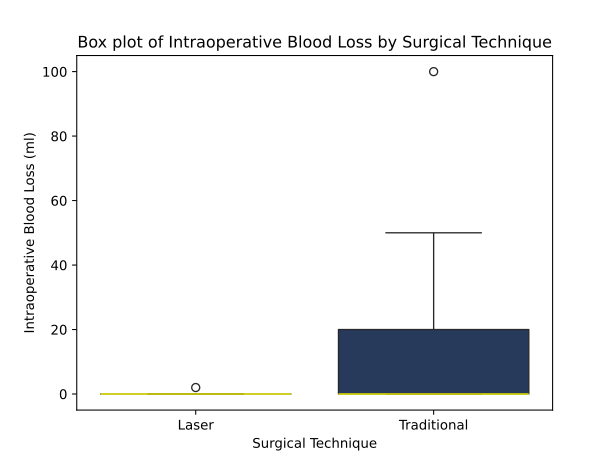
Establishing Linear Relationships
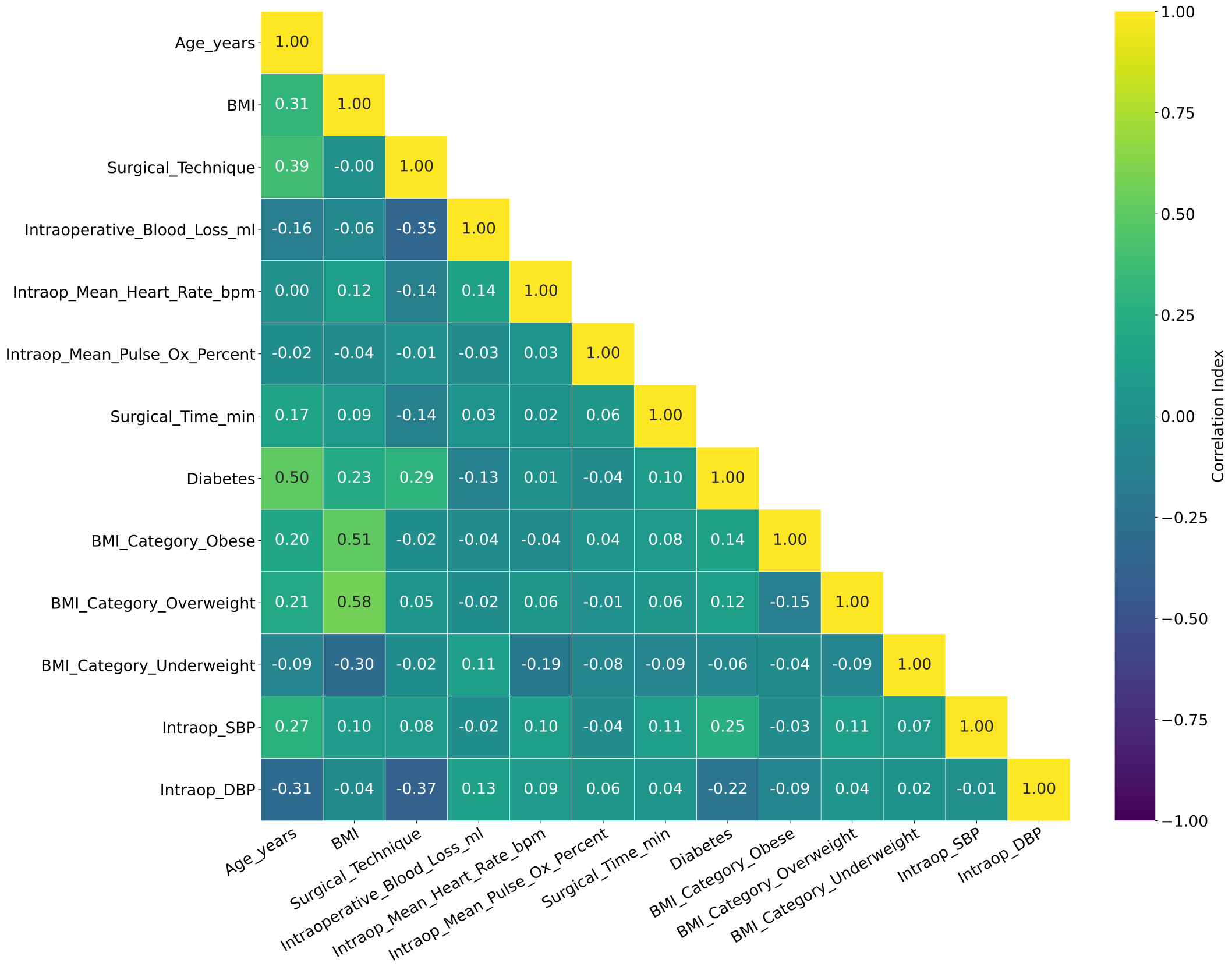
Table 1: Continuous Variables With Respect To Surgical Technique
| Variable | Mean | SD | Median | Min | Max | Mode | Count | Traditional (n = 132) |
Laser (n = 62) |
P-value |
|---|---|---|---|---|---|---|---|---|---|---|
| Age_years | 43.13 | 21.88 | 34.00 | 18.00 | 93.00 | 18.00 | 194 | 37.34 (22.29) | 55.47 (14.86) | < 0.001 |
| BMI | 24.07 | 3.00 | 23.68 | 17.34 | 36.57 | 21.63 | 194 | 24.08 (3.03) | 24.06 (2.97) | 0.97 |
| Intraop_DBP | 82.94 | 15.87 | 90.00 | 10.00 | 100.00 | 90.00 | 194 | 86.97 (11.12) | 74.35 (20.54) | < 0.001 |
| Intraop_Mean_Heart_Rate_bpm | 75.93 | 5.68 | 80.00 | 60.00 | 88.00 | 80.00 | 194 | 76.48 (5.66) | 74.76 (5.57) | 0.05 |
| Intraop_Mean_Pulse_Ox_Percent | 96.69 | 1.78 | 97.00 | 91.00 | 99.00 | 98.00 | 194 | 96.70 (1.80) | 96.66 (1.76) | 0.87 |
| Intraop_SBP | 122.37 | 10.61 | 120.00 | 100.00 | 150.00 | 120.00 | 194 | 121.82 (11.84) | 123.55 (7.26) | 0.21 |
| Intraoperative_Blood_Loss_ml | 7.90 | 15.51 | 0.00 | 0.00 | 100.00 | 0.00 | 194 | 11.59 (17.64) | 0.03 (0.25) | < 0.001 |
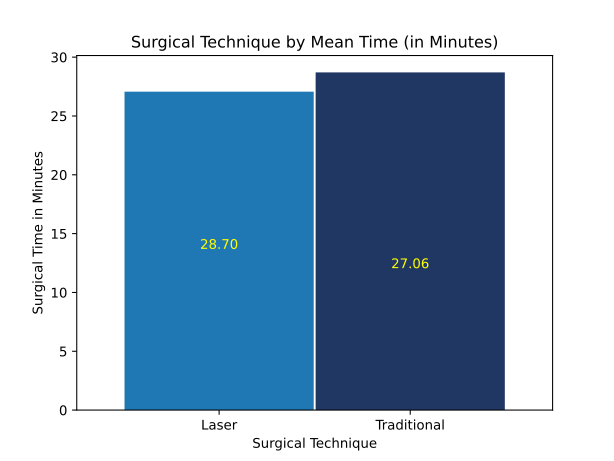
| Surgical_Time_min | 28.18 | 5.64 | 27.50 | 15.00 | 40.00 | 28.00 | 194 | 28.70 (5.44) | 27.06 (5.94) | 0.07 |
Table 1: Categorical Variables With Respect To Surgical Technique
| Variable | Count | Proportion (%) | Traditional (n = 132) | Laser (n = 62) | P-value |
|---|---|---|---|---|---|
| Age Group | 194 | 100.00 | 132 | 62 | < 0.001 |
| age_group = 18-29 | 85 | 43.81 | 79 (59.85%) | 6 (9.68%) | |
| age_group = 60-69 | 30 | 15.46 | 9 (6.82%) | 21 (33.87%) | |
| age_group = 30-39 | 22 | 11.34 | 16 (12.12%) | 6 (9.68%) | |
| age_group = 70-79 | 20 | 10.31 | 10 (7.58%) | 10 (16.13%) | |
| age_group = 50-59 | 17 | 8.76 | 4 (3.03%) | 13 (20.97%) | |
| age_group = 40-49 | 10 | 5.15 | 7 (5.30%) | 3 (4.84%) | |
| age_group = 80-89 | 7 | 3.61 | 4 (3.03%) | 3 (4.84%) | |
| age_group = 90-99 | 3 | 1.55 | 3 (2.27%) | 0 (0.00%) | |
| BMI_Category_Obese | 194 | 100.00 | 132 | 62 | 0.9918 |
| BMI_Category_Obese = 0 | 183 | 94.33 | 124 (93.94%) | 59 (95.16%) | |
| BMI_Category_Obese = 1 | 11 | 5.67 | 8 (6.06%) | 3 (4.84%) | |
| BMI_Category_Overweight | 194 | 100.00 | 132 | 62 | 0.5894 |
| BMI_Category_Overweight = 0 | 141 | 72.68 | 98 (74.24%) | 43 (69.35%) | |
| BMI_Category_Overweight = 1 | 53 | 27.32 | 34 (25.76%) | 19 (30.65%) | |
| Diabetes | 194 | 100.00 | 132 | 62 | < 0.001 |
| Diabetes = 0 | 164 | 84.54 | 121 (91.67%) | 43 (69.35%) | |
| Diabetes = 1 | 30 | 15.46 | 11 (8.33%) | 19 (30.65%) | |
| Complications: Bleeding, Edema, Pain, or Infection | 194 | 100.00 | 57 (43.18%) | 1 (1.61%) | < 0.001 |
| Complications = 0 | 136 | 70.10 | 75 (56.82%) | 61 (98.39%)) | |
| Complications = 1 | 58 | 29.90 | 57 (43.18%) | 1 (1.61%) |
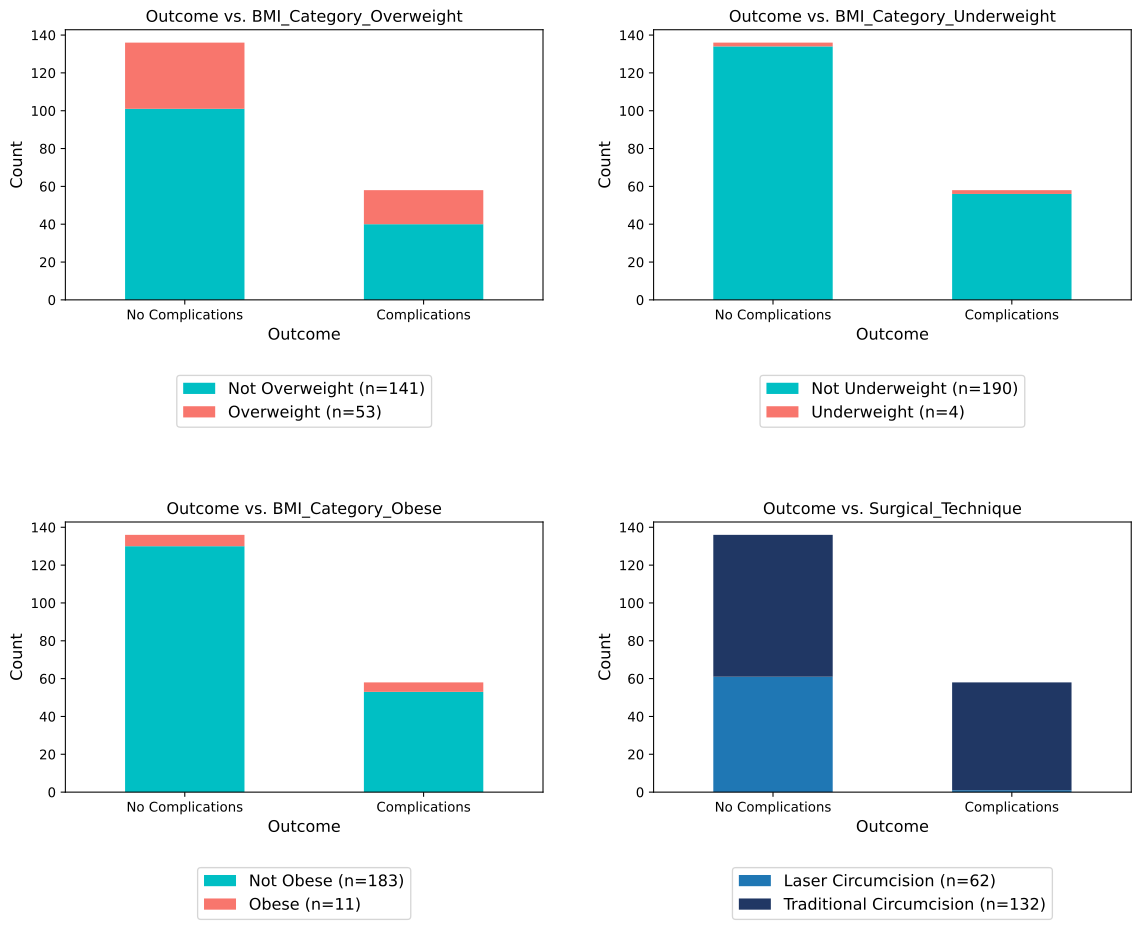
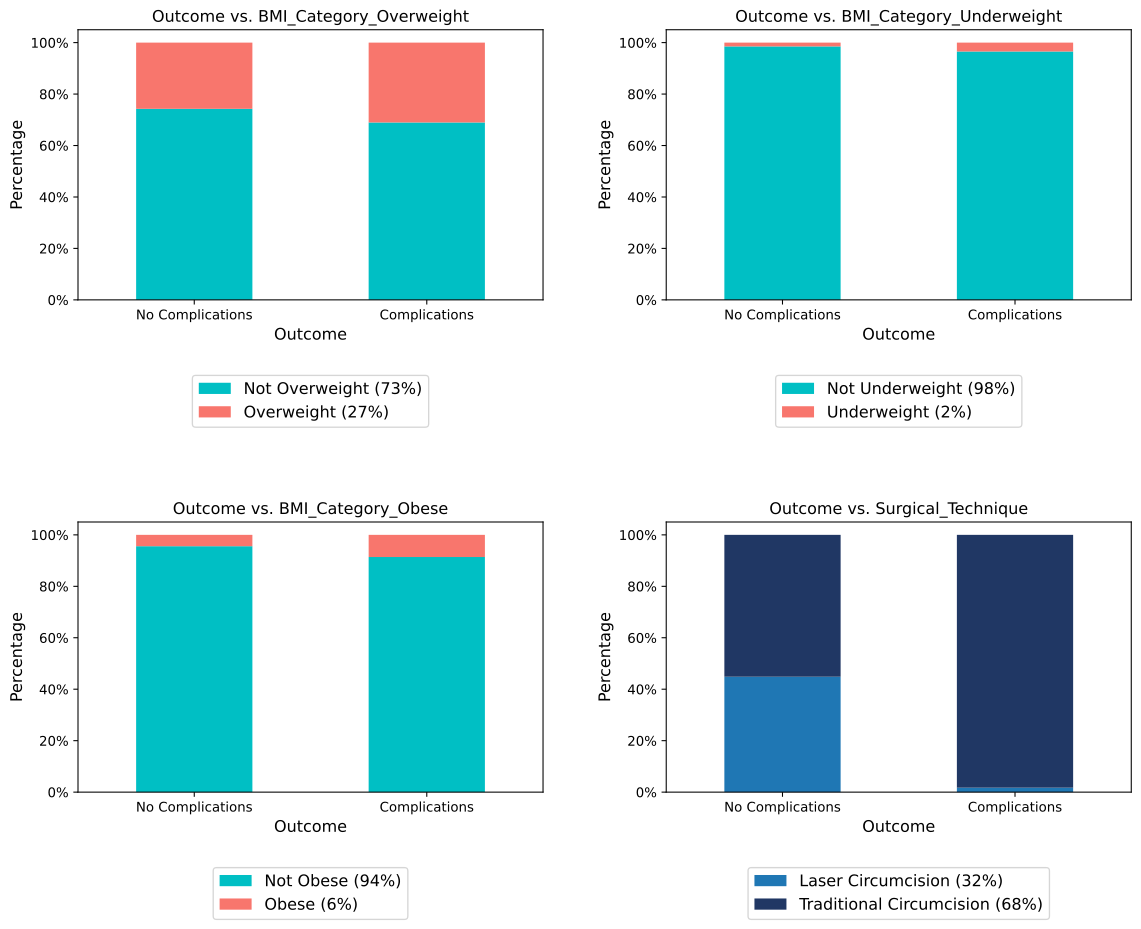
Outcome by Risk Factors and Surgical Techniques
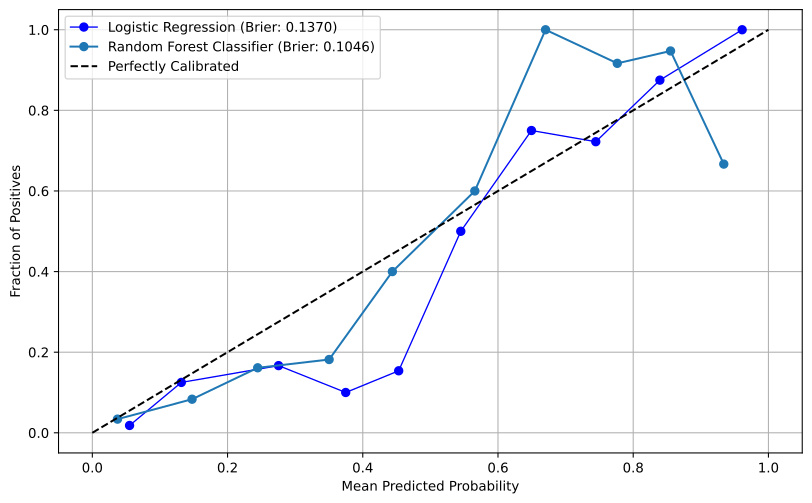
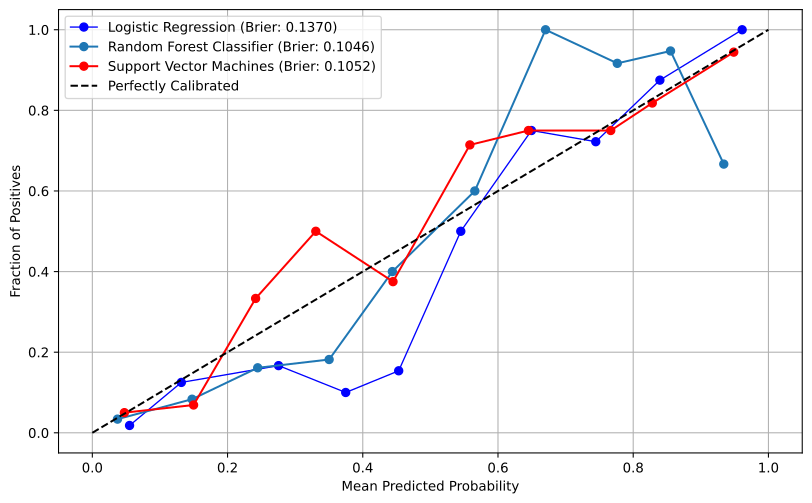
Model Calibration
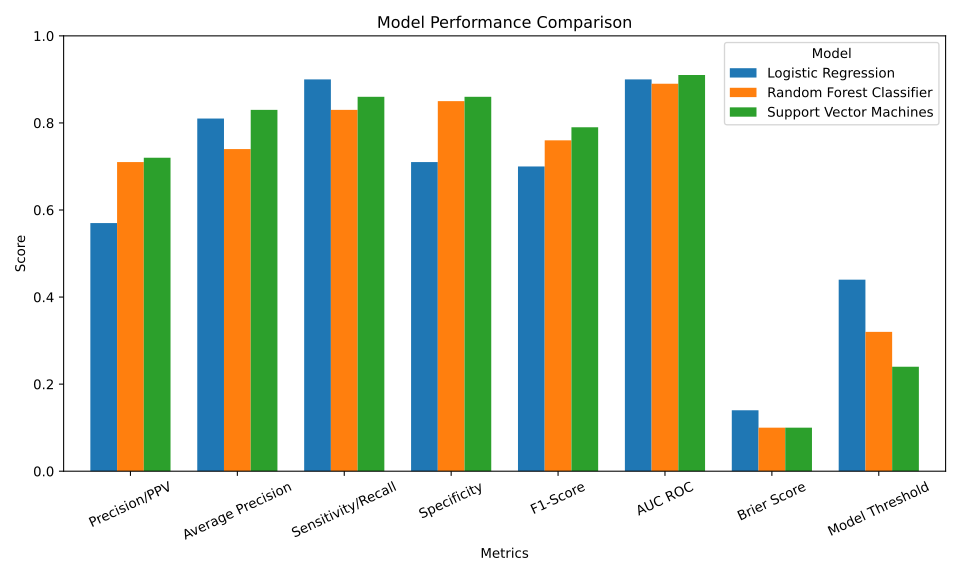
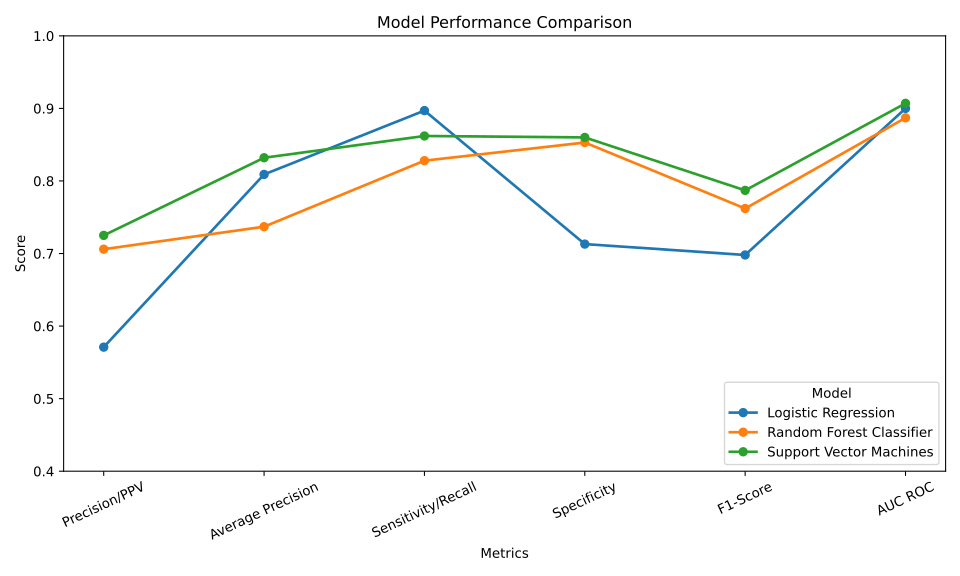
Performance Assessment
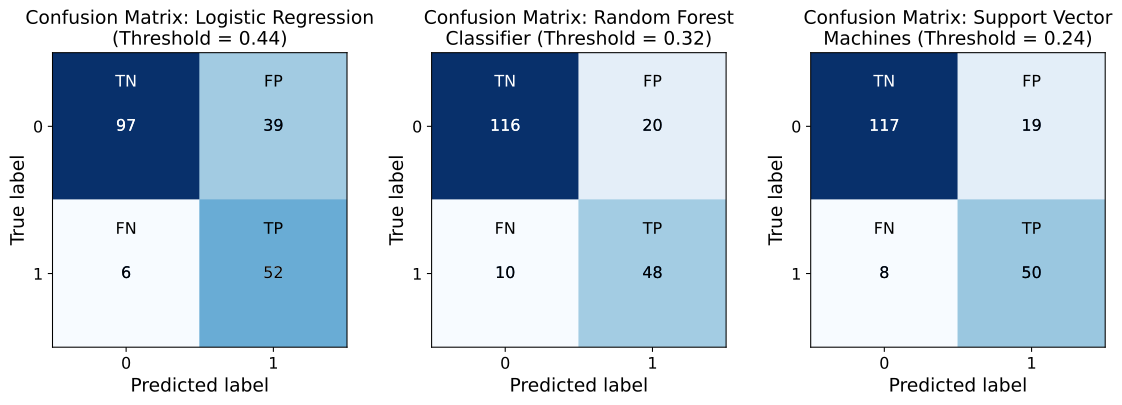
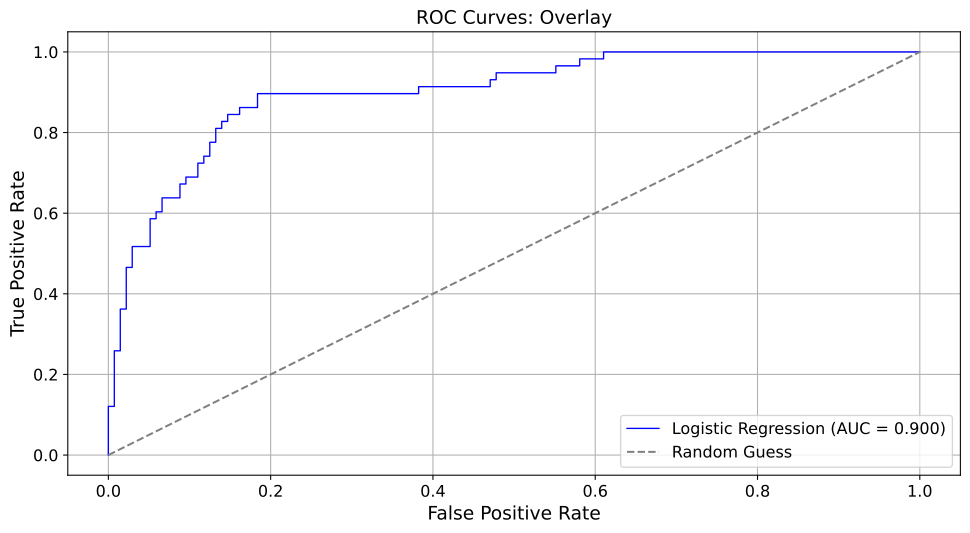
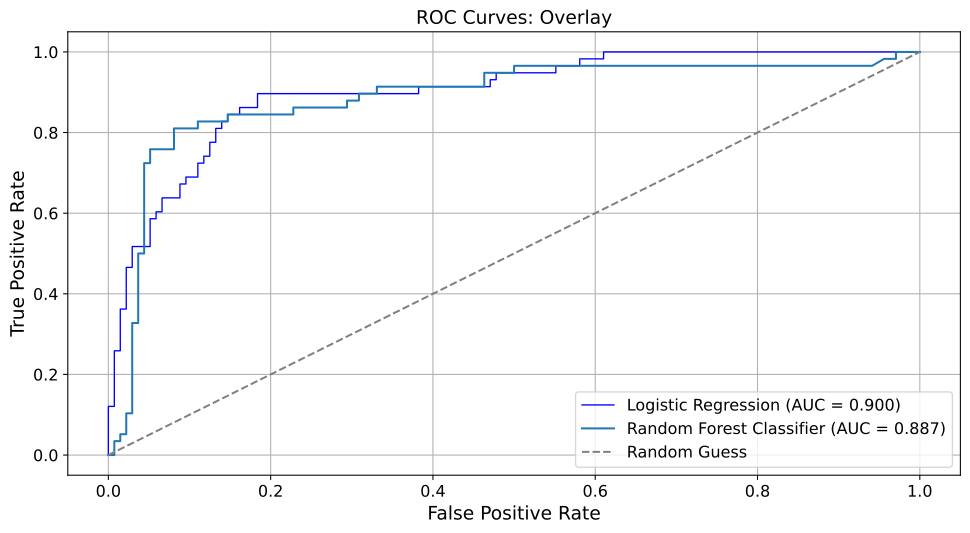
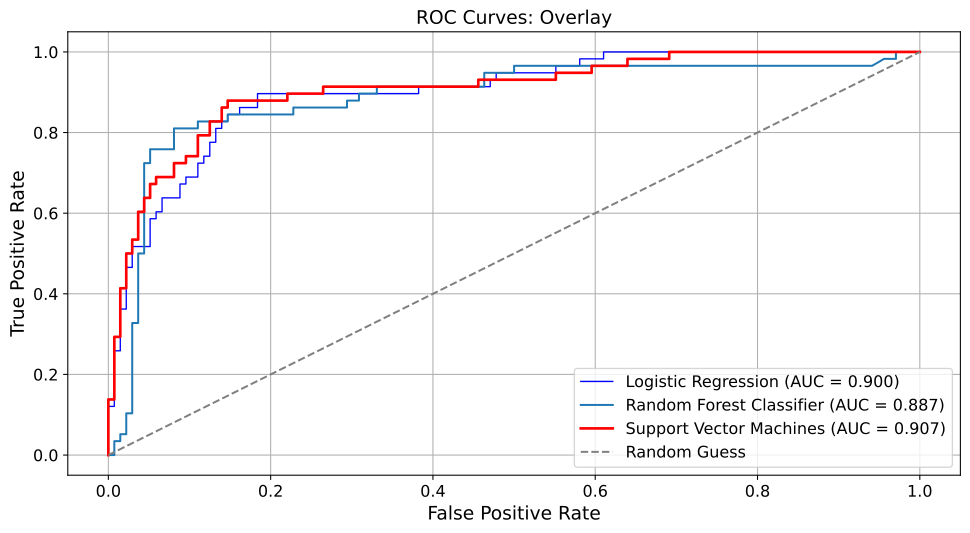
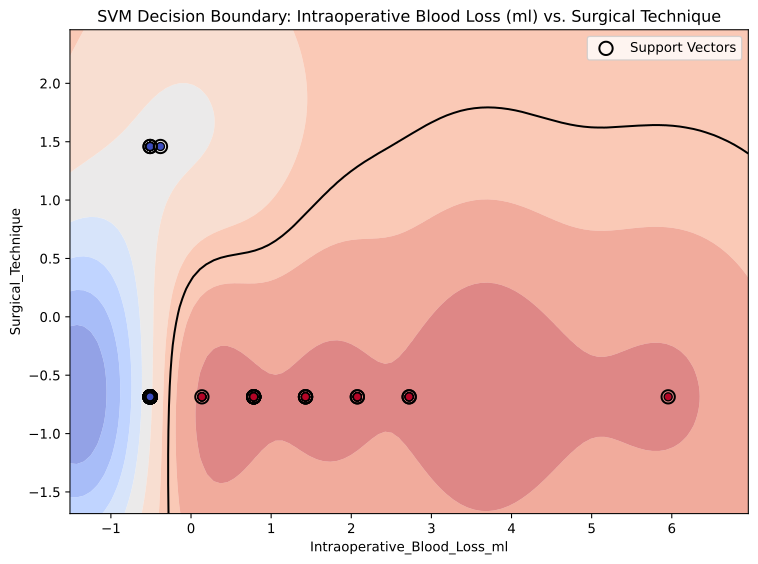
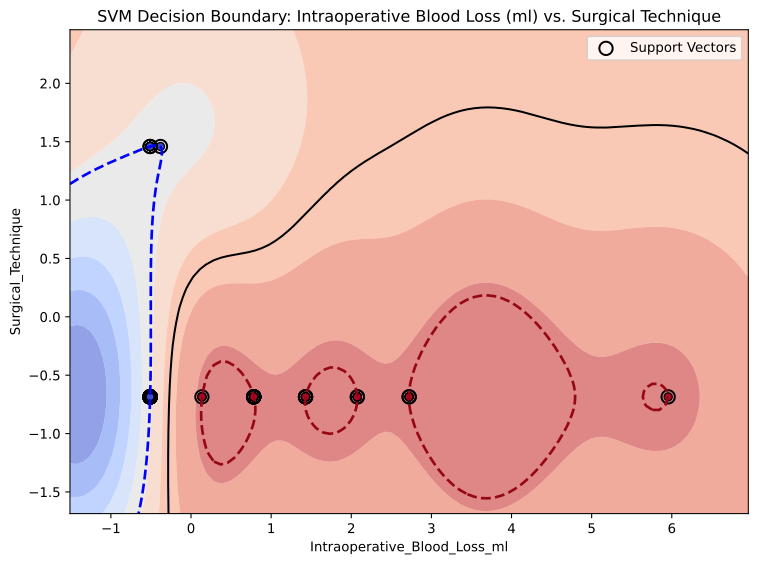
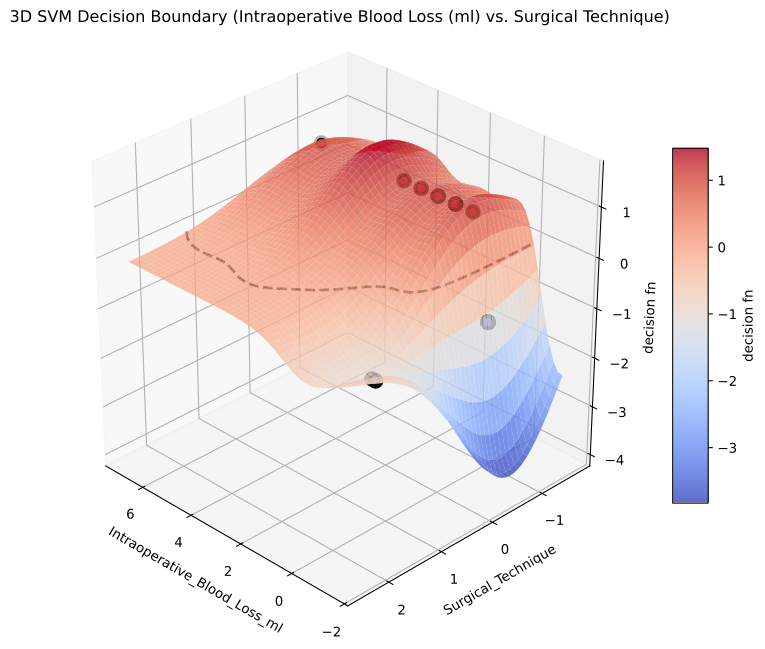
Support Vector Machines (SVM)
\(\displaystyle \min_{w,b,\{\xi_i\}}\)
\(\displaystyle \left(\tfrac12\|w\|^2 + C\sum_i \xi_i\right)\)
\(\mathrm{s.t.}\)
\(\displaystyle y_i\left(w^\top\phi(x_i)+b\right)\ge1-\xi_i,\)
\(\displaystyle \xi_i\ge0\)
\(\displaystyle K\left(x,x'\right)=\)
\(\displaystyle \exp\!\left(-\gamma\,\|x - x'\|^2\right),\)
\(\displaystyle \gamma = \tfrac{1}{2\sigma^2}\)
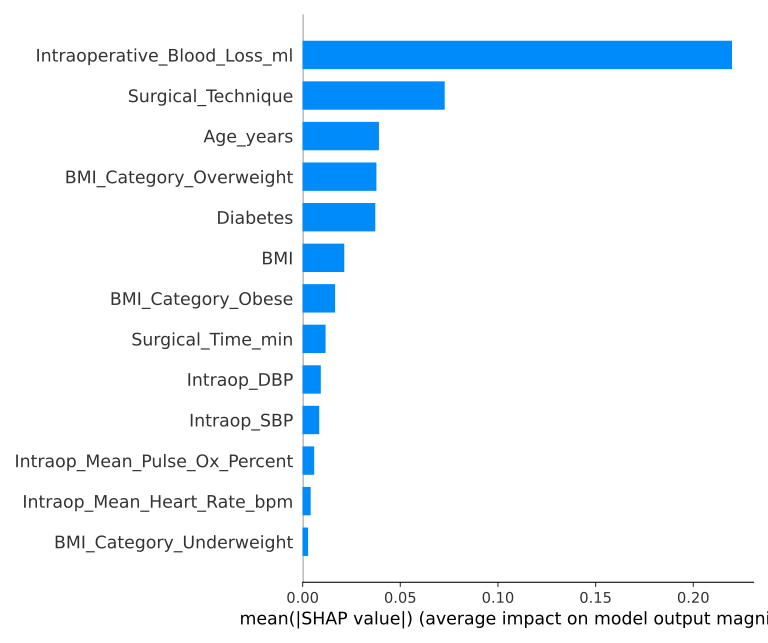
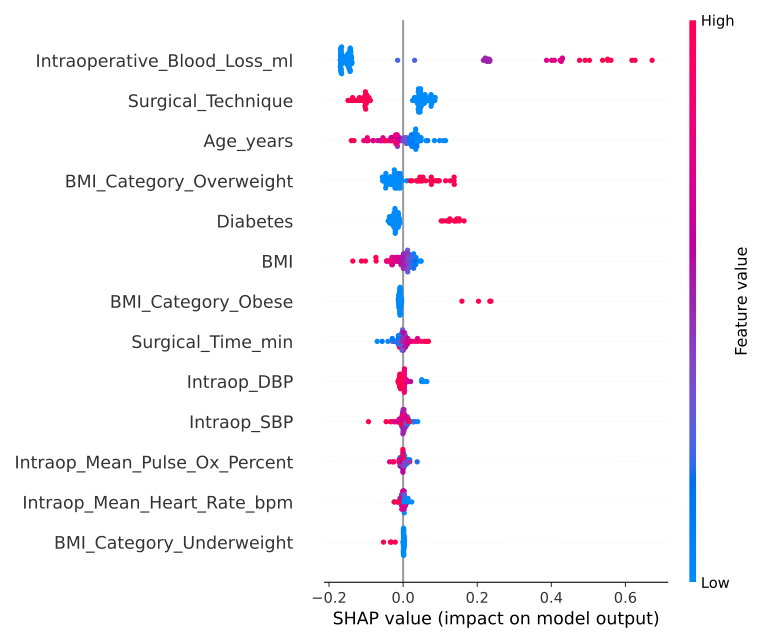
SHAP (SHapley Additive exPlanations)
Conclusions
-
Promising Clinical Signals:
Even with a relatively modest dataset, the support vector machine (SVM) model uncovered a few compelling and clinically aligned trends:- Laser circumcision was consistently associated with lower predicted complication risk, matching our clinical impressions.
- Intraoperative blood loss and surgical technique emerged as the most influential features across all patients, validating their relevance in predicting postoperative outcomes.
- High-risk predictions tended to cluster around patients with traditional technique, older age, diabetes, and higher BMI, which is consistent with established risk profiles.
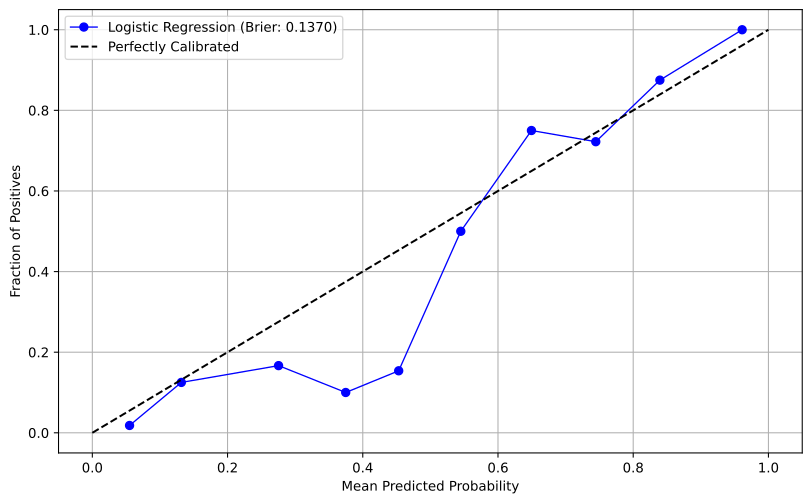
- The model also demonstrated strong calibration (low Brier scores), meaning its risk estimates appear reliable, not just accurate in terms of classification.
- Importantly, the model was highly sensitive to complication risk in traditional cases, showing excellent alignment with expectations.
References
- Mehta KS, Marfatia YS, Jain AP, Shah DJ, Baxi DS. Male circumcision and sexually transmitted infections – an update. Indian J Sex Transm Dis AIDS. 2021;42(1):1–6. https://doi.org/10.4103/ijstd.ijstd_20_21
- Ronchi P, Manno S, Dell'Atti L, et al. Technology meets tradition: CO2 laser circumcision versus conventional surgical technique. Res Rep Urol. 2020;12:309–316.
- Leonardi R, Saitta G. Laser circumcision in adult males: a modern approach for improved outcomes. In: Zaghal A, El Safadi A, editors. Circumcision – Advances and New Perspectives. London: IntechOpen; 2022. https://doi.org/10.5772/intechopen.106084
- Funnell A, Shpaner L, Petousis P. Model Tuner [Software]. Version 0.0.34b1. Zenodo; 2024. https://doi.org/10.5281/zenodo.12727322
- Shpaner L, Gil O. EDA Toolkit [Software]. Version 0.0.19. Zenodo; 2024. https://doi.org/10.5281/zenodo.13162633
- Shpaner L. Model Metrics [Software]. Version 0.0.4a10. Zenodo; 2024. https://doi.org/10.5281/zenodo.14879819
- Harris CR, Millman KJ, van der Walt SJ, et al. Array programming with NumPy. Nature. 2020;585(7825):357–362. https://doi.org/10.1038/s41586-020-2649-2
- Pedregosa F, Varoquaux G, Gramfort A, et al. Scikit-learn: machine learning in Python. J Mach Learn Res. 2011;12:2825–2830. https://jmlr.csail.mit.edu/papers/v12/pedregosa11a.html
- Lundberg SM, Lee SI. A unified approach to interpreting model predictions. Adv Neural Inf Process Syst. 2017;30:4765–4774. PDF
- Chou AC, Laih CY, Ku FY. A retrospective Taiwanese-population-based clinical study on determining the efficacy and safety of disposable circumcision anastomat. J Clin Med. 2022;11(20):6206. https://doi.org/10.3390/jcm11206206
- Demas CP, Khan S, Mandava SH, et al. The effect of diabetes on postoperative outcomes following male urethral sling placement. Can Urol Assoc J. 2016;10(7–8):E251–E254. https://doi.org/10.5489/cuaj.3613
- Talini C, Antunes LA, de Carvalho BCN, et al. Circumcision: postoperative complications that required reoperation. Einstein (São Paulo). 2018;16(3):eAO4241. https://doi.org/10.1590/S1679-45082018AO4241
- Van Calster B, McLernon DJ, van Smeden M, Wynants L, Steyerberg EW. Calibration: the Achilles heel of predictive analytics. BMC Med. 2019;17:230. https://doi.org/10.1186/s12916-019-1466-7

Questions?
Leonid Shpaner, M.S.
email: Lshpaner@ucla.edu
Giuseppe Saitta, M.D.
email: gsaitta@hotmail.it